

 LGBTQ Friendly!
Dental Bonding in Washington DC
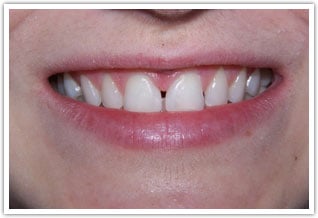
Dental bonding is a versatile cosmetic and restorative procedure that offers an effective alternative to veneers. It’s commonly used to repair chipped, cracked, discolored, or misaligned teeth, and can also be used to close gaps between teeth.
What is Dental Bonding and How Does It Work?
Dental bonding involves the application of a tooth-colored resin material to the surface of the tooth. The procedure begins with lightly etching the tooth’s surface and applying a bonding agent. Once the bonding liquid is set, a composite resin is applied, shaped, and sculpted to match the natural contours of your teeth. The resin is then hardened with a special curing light, followed by trimming, smoothing, and polishing for a seamless, natural look.
Benefits and Considerations
-
Quick Treatment: Bonding is usually completed in just one visit, making it a convenient option for busy individuals.
-
Improved Appearance: It can significantly enhance the look of a tooth with minimal alteration to the natural structure.
-
Affordable Solution: Bonding is generally more cost-effective than veneers or crowns.
-
Temporary Durability: While effective, the composite resin isn’t as strong as natural enamel or porcelain. It may stain, chip, or wear down over time.
-
Lifespan: With proper care, bonding typically lasts between 3 to 5 years before needing a touch-up or replacement.
Bonding is best suited for small cosmetic changes, temporary correction of cosmetic defects, or as an alternative to amalgam fillings.
Frequently Asked Questions (FAQs)
Q: Is dental bonding painful?
A: No, dental bonding is a minimally invasive and painless procedure. In most cases, anesthesia is not required unless bonding is being used to fill a cavity.
Q: How long does the procedure take?
A: Most bonding treatments can be completed in 30 to 60 minutes per tooth.
Q: Can bonded teeth be whitened?
A: No, the resin used in bonding does not respond to whitening treatments. If you’re considering whitening, it should be done before bonding for a uniform color.
Q: How should I care for my bonded teeth?
A: Practice good oral hygiene, avoid biting hard objects, and limit consumption of staining substances like coffee, tea, and tobacco.
Q: How does bonding compare to veneers?
A: Bonding is less expensive and quicker, but not as durable or stain-resistant as porcelain veneers. It’s best for minor corrections, while veneers are ideal for more significant cosmetic improvements.